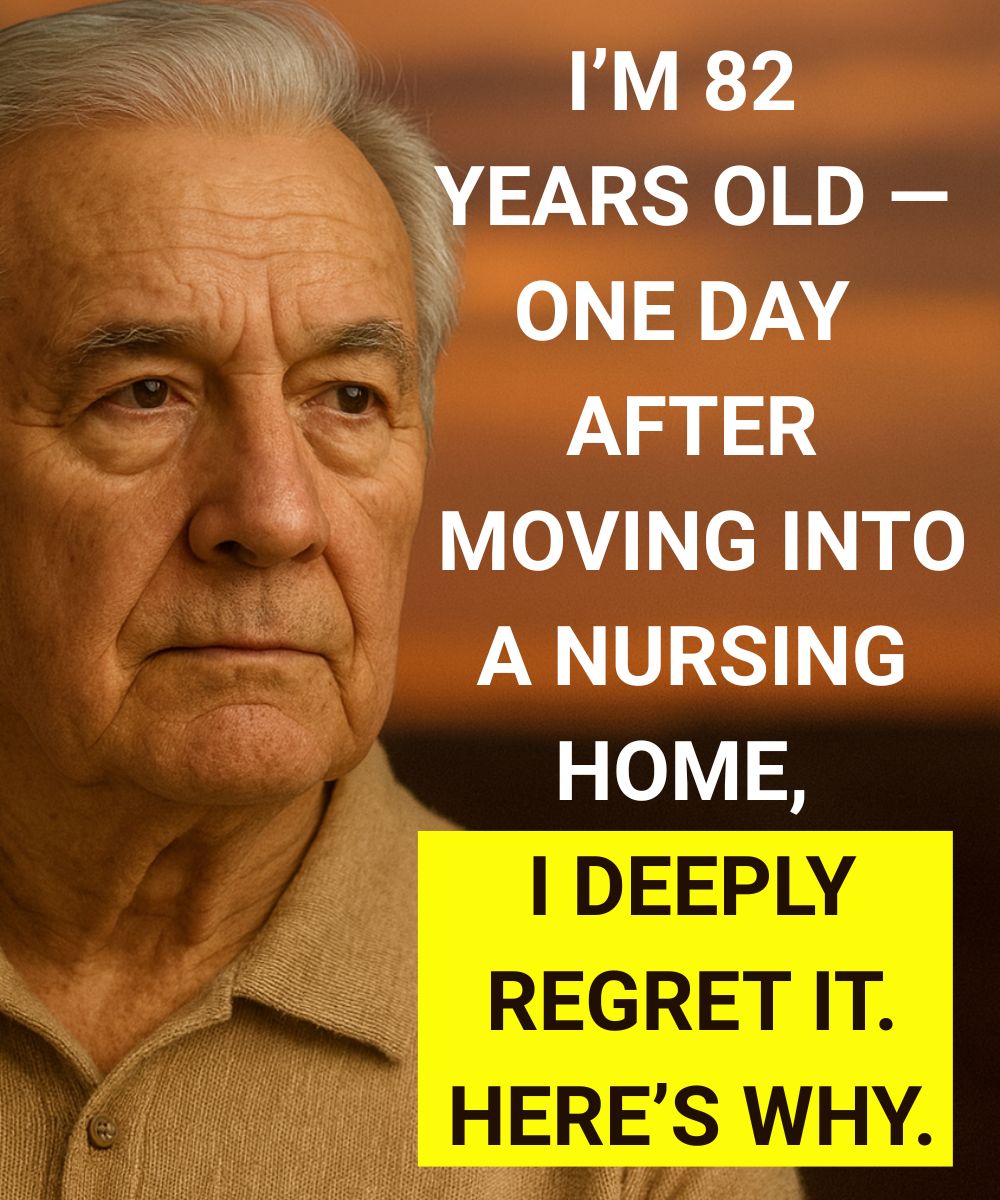
Moving into a nursing home is often meant to provide safety, medical support, and peace of mind for older adults and their families. Yet many families notice a troubling pattern: some seniors seem to decline physically, emotionally, or mentally after the move. While nursing homes can be helpful in many situations, several underlying factors help explain why this decline happens for certain individuals.
Loss of Independence and Control
One of the most significant changes seniors face in nursing homes is the loss of independence. Daily routines such as waking up, eating, bathing, and even social activities are often scheduled and standardized. For seniors who spent decades managing their own lives, this sudden loss of control can lead to frustration, helplessness, and decreased motivation. Over time, feeling powerless may contribute to depression and a reduced desire to stay active or engaged.
Emotional Stress and Grief
Leaving one’s home is not just a physical move—it is an emotional loss. Seniors may grieve the loss of familiar surroundings, neighbors, pets, and personal memories tied to their homes. This grief can be especially intense when the move was not fully voluntary. Emotional distress can weaken the immune system, disrupt sleep, and increase the risk of anxiety or depression, all of which negatively affect overall health.
Social Isolation Despite Being Around Others
